
Sleep Support for Better Health and Wellness
Sleep is one of the most important foundations of health and longevity. When sleep is disrupted, it can affect nearly every aspect of well – being, from energy and mood to recovery and nervous system balance.
Modern homes and lifestyles can easily work against the body’s natural sleep cycle. Artificial lighting, hidden EMF sources, irregular routines, and chronic stress may all contribute to poor sleep quality.
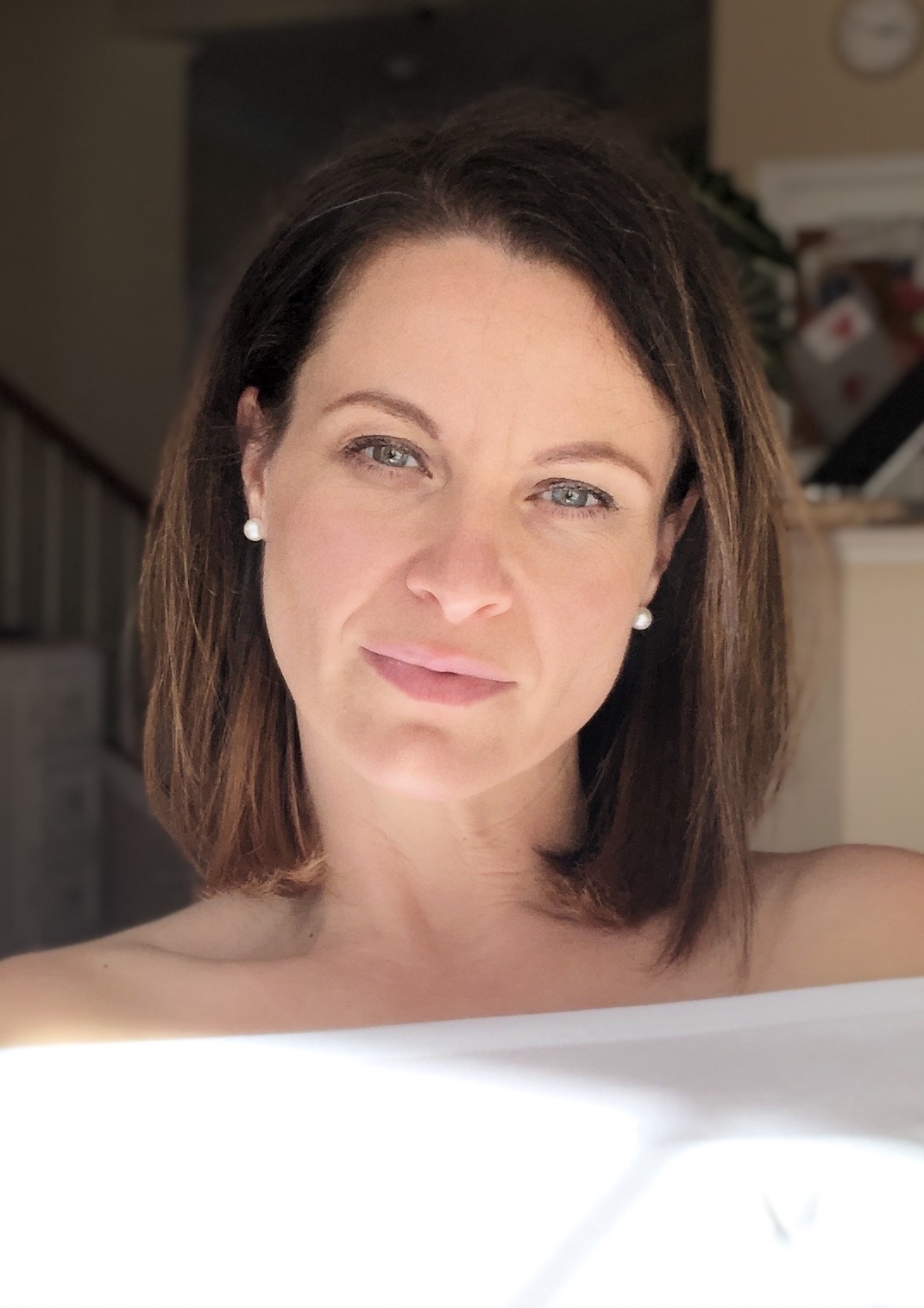
Through my work as an Integrative Health Practitioner (IHP) and as part of Low EMF Living, I help identify the environmental and lifestyle factors that may be interfering with sleep and offer practical strategies to support deeper, more restorative rest for both adults and children.
So why wait? Schedule a Healthy Sleep Environment Consulting session and take the first step toward a more restful sleep environment.
Sleep Optimization & Healthy Sleep Environment
Poor sleep is often influenced by environmental and lifestyle factors. Below are some common sleep disruptors:
- Evening exposure to bright LED lighting
- Wireless devices and EMF sources near the bed
- Disrupted circadian rhythm signals
- Irregular sleep schedules
- Nervous system stress
- Lifestyle habits affecting sleep
Often it is several small factors combined that interfere with deep, restorative sleep.
What We Review
Sleep quality is influenced by both your environment and your daily rhythms. During the consultation we review the key factors that influence restorative sleep.
Sleep Environment
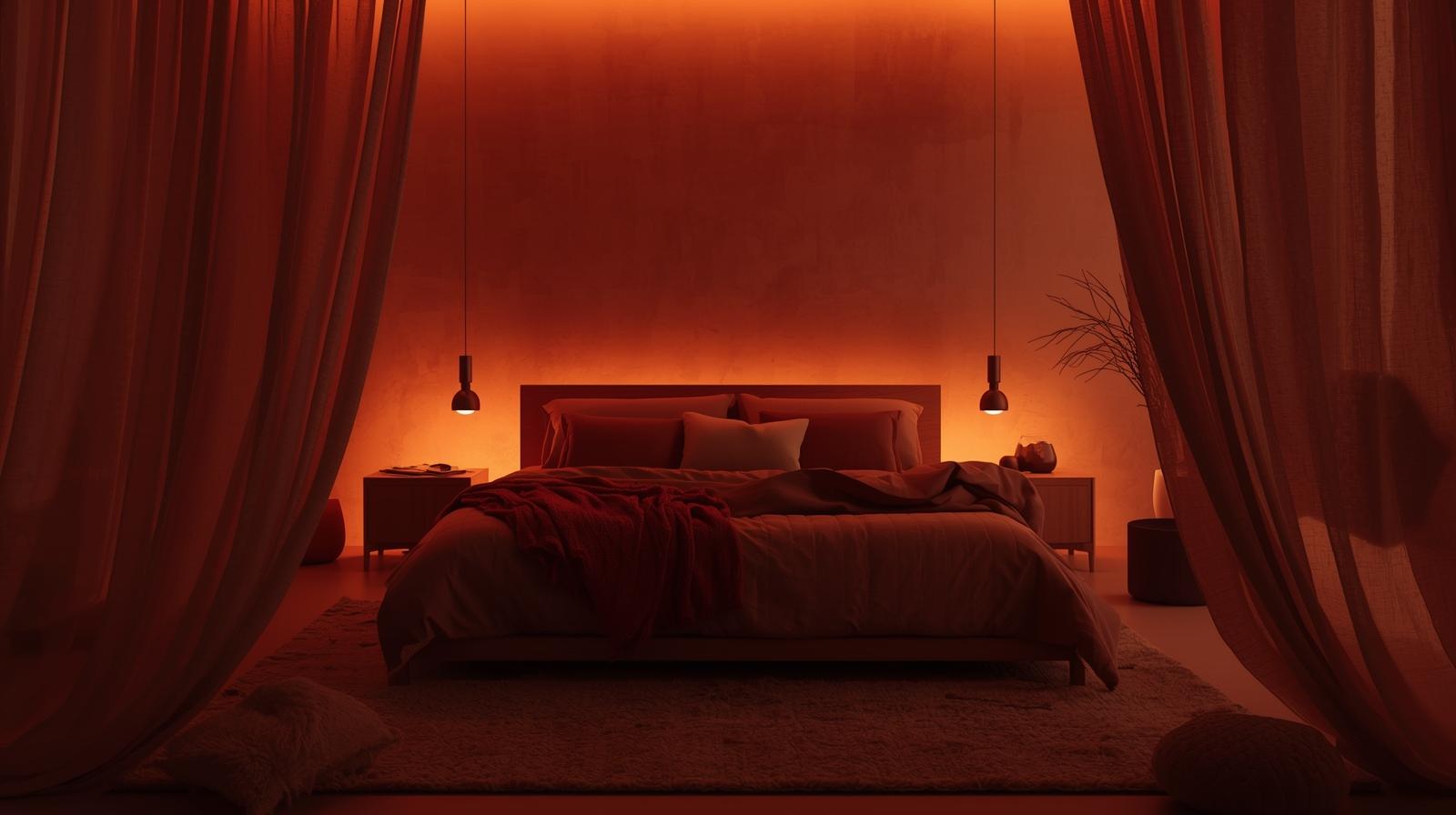
We review your bedroom setup, lighting conditions, EMF sources, and overall sleep space to identify disruptions.
Daily Rhythms
We analyze your morning and evening routines, light exposure patterns, and stress levels to see how they support or disrupt your natural sleep cycle.
Lifestyle Factors
We look at your nutrition, screen time, evening routines, and how habits like caffeine, food timing, and adrenal balance may impact your sleep quality.
What You Receive
Here is what you will receive after your consultation:
- Personalized sleep optimization plan
- Lighting and bedroom environment recommendations
- Circadian rhythm and lifestyle guidance
- Practical steps to improve sleep naturally
Often it is several small factors combined that interfere with deep, restorative sleep.

The Sleep Environment Matters
Many sleep programs focus only on routines or supplements. While those can help, the environment where you sleep plays an important role.
Lighting, wireless devices, and electrical sources in the bedroom can influence how easily the body relaxes at night. Creating a healthier sleep environment often includes simple adjustments that support the body’s natural circadian rhythm and nighttime recovery.
This perspective reflects the Low EMF Living approach, which considers both lifestyle and environmental factors that influence health.
Improve Your Sleep Naturally
Small adjustments to your environment and daily rhythms can make a meaningful difference in how well your body rests and recovers.
If you are struggling with sleep or want to optimize your sleep environment, our Healthy Sleep Environment Consulting Services provide personalized guidance to help identify factors that may be affecting restorative sleep.
Frequently Asked Questions
What is included in a Healthy Sleep Environment Consulting session?
The consultation includes a review of your sleep environment, daily habits, lighting, and other factors that may be affecting sleep quality.
What are common causes of poor sleep?
Lighting, EMF sources, stress, screen use, and irregular routines are some common factors that may affect sleep quality.
Can screen use affect sleep?
Using screens close to bedtime may impact your ability to relax and fall asleep.
Who can benefit from Healthy Sleep Environment Consulting?
This service is ideal for individuals and families looking to improve sleep quality, optimize their sleep environment, and support overall well-being.
How long does a sleep consultation take?
The length of the consultation may vary depending on your goals and areas of concern.
Do you provide recommendations for children's bedrooms?
Yes. We can provide practical guidance for creating a more sleep-supportive environment for children.